







Hermann Hauser I - 1928 - 64.5 cm
About the luthier
Hermann Hauser® I holds a central place in the history of 20th-century guitar making. Initially trained in the diverse traditions of Bavarian lutherie, he inherited his father's workshop while Josef Hauser® continued managing the family’s music publishing house. In his early period, Hauser® I produced a wide range of instruments including lutes, zithers, and numerous guitar models reflecting the regional Viennese and Munich styles. These included Terz, Prim, and the rare Quintbass guitars, all crafted with exceptional precision and tonal quality.
During the 1920s, his work underwent a decisive transformation. Encouraged by the influence of Miguel Llobet and Andrés Segovia, and their respective Torres and Manuel Ramírez/Santos Hernández guitars, Hauser® I gradually shifted away from regional forms toward the Spanish concert guitar. Through meticulous innovation in top construction and body–neck joints—some of which were patented—he created instruments of extraordinary clarity, projection, and balance. His 1937 guitar for Segovia, who described it as “the greatest guitar of our epoch,” stands as a landmark in classical guitar history. Hauser® I’s instruments set a new standard for European guitar making and continue to influence the craft to this day.
About the guitar
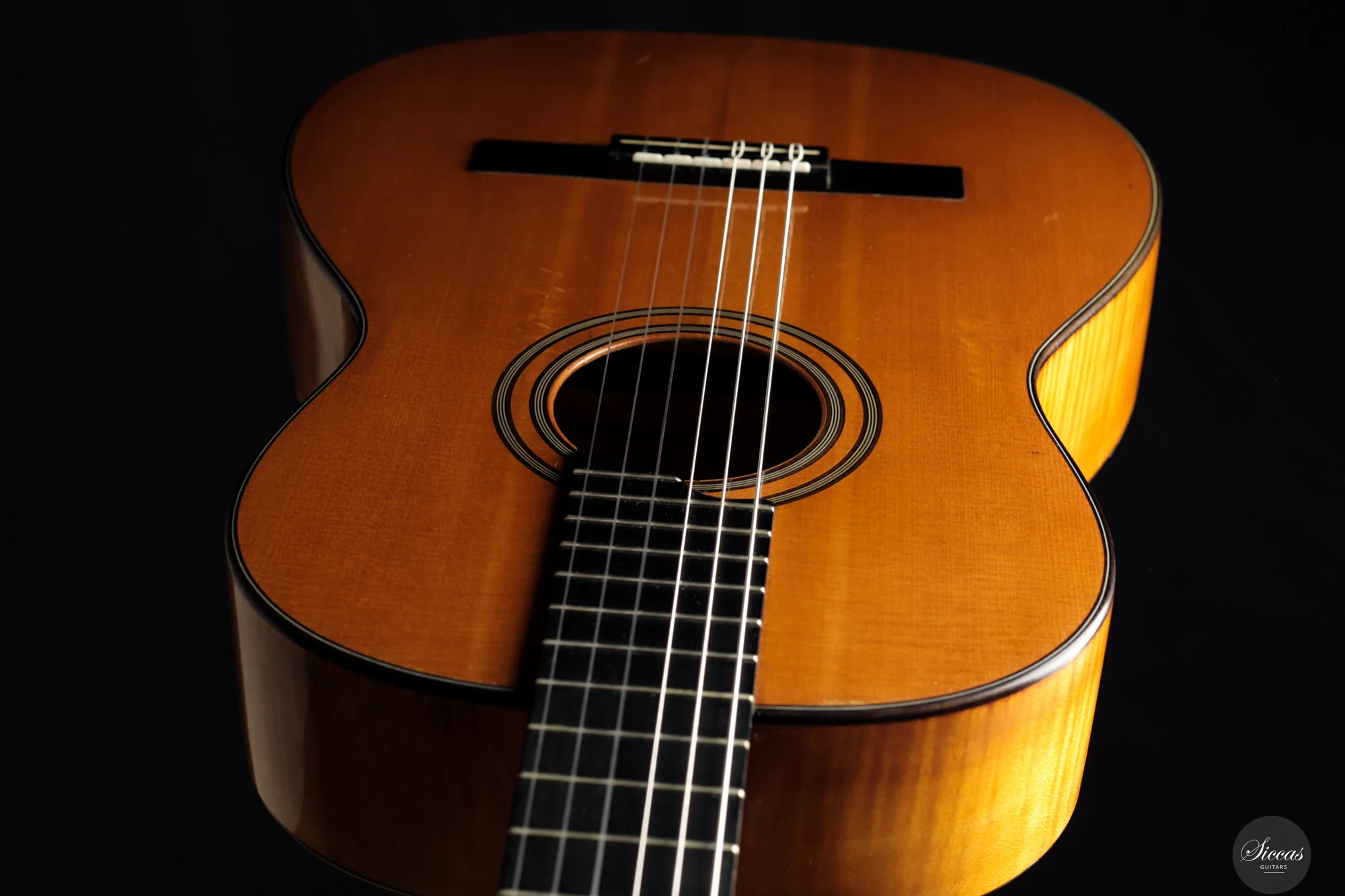
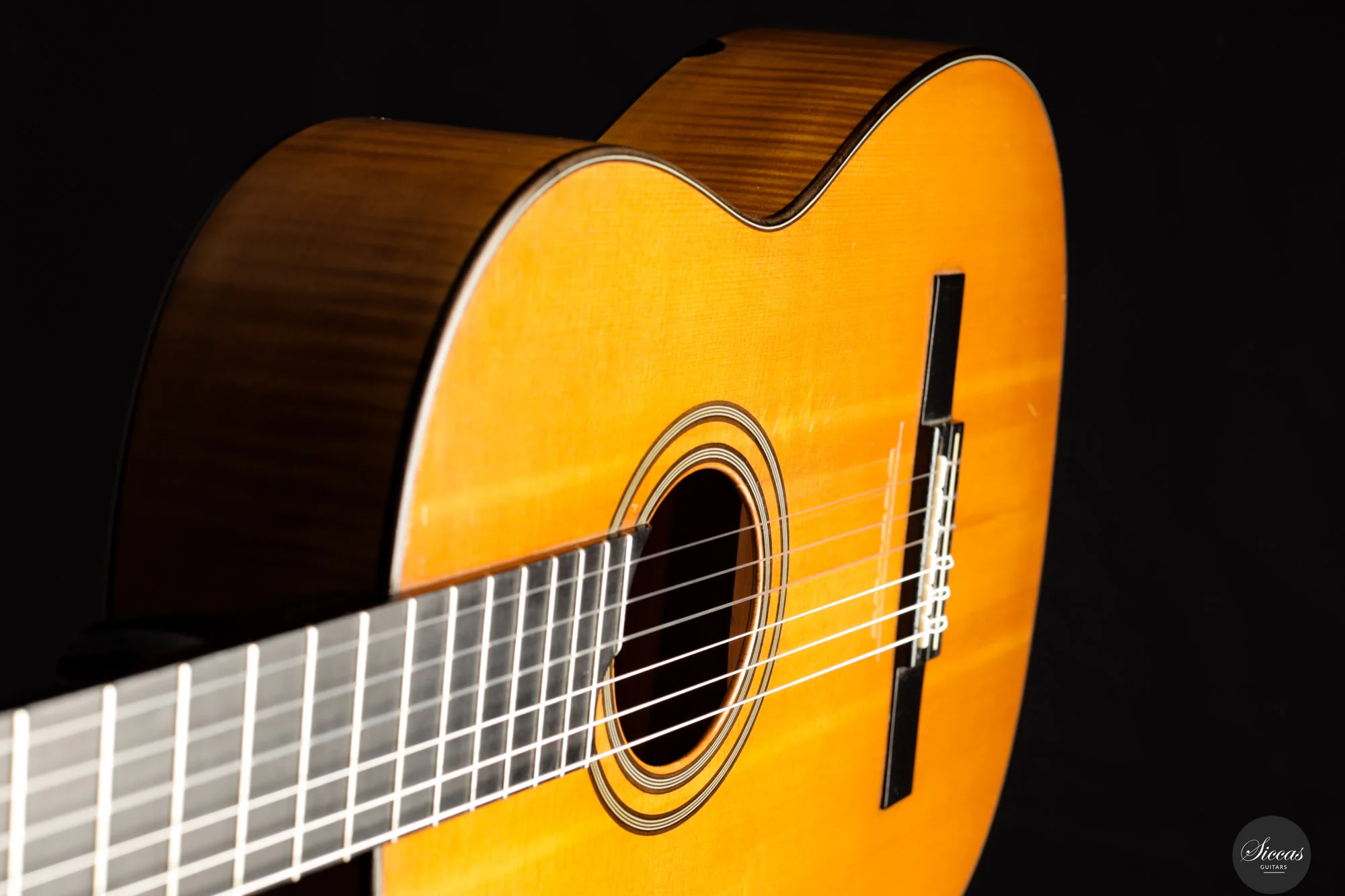
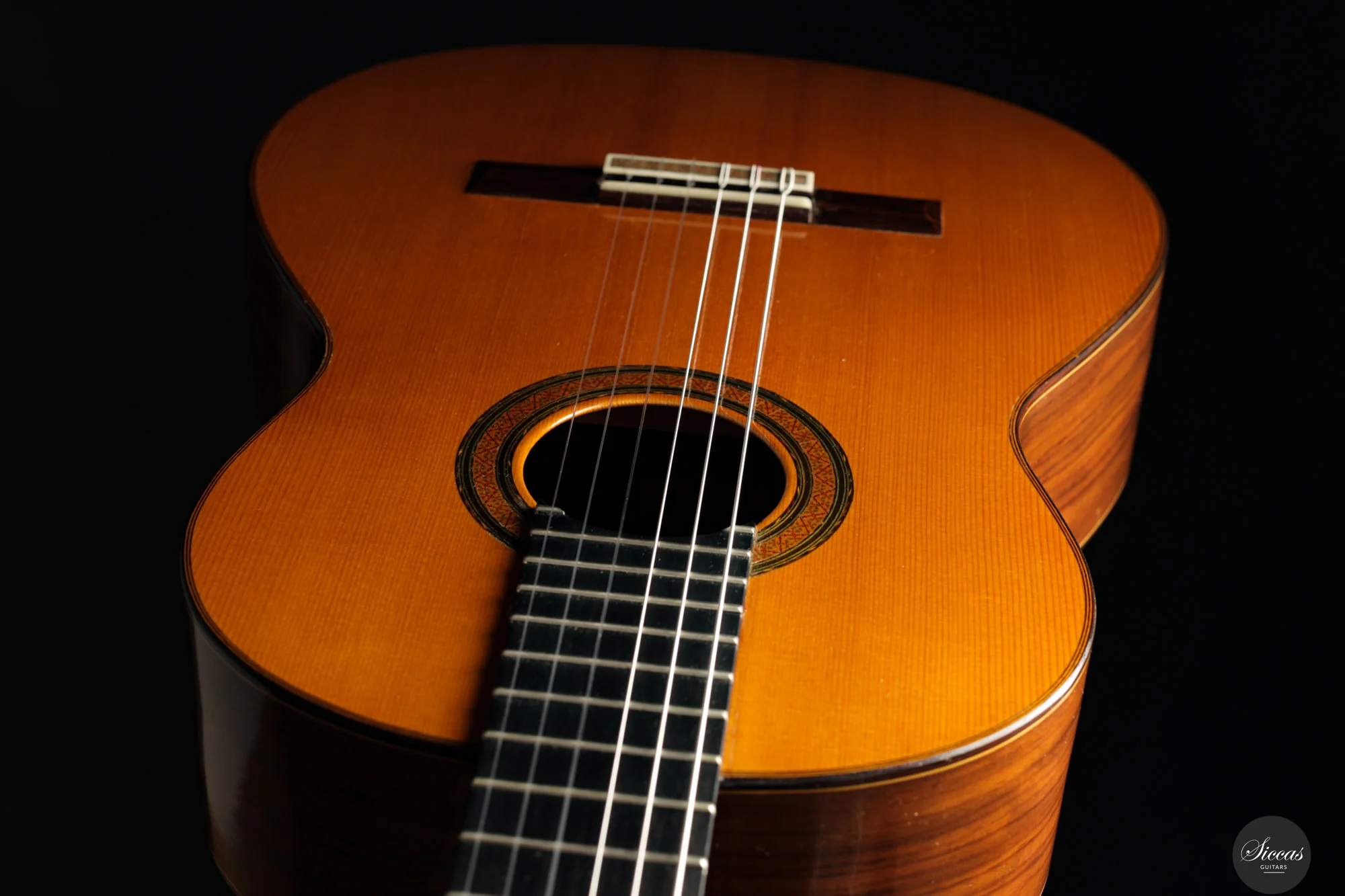
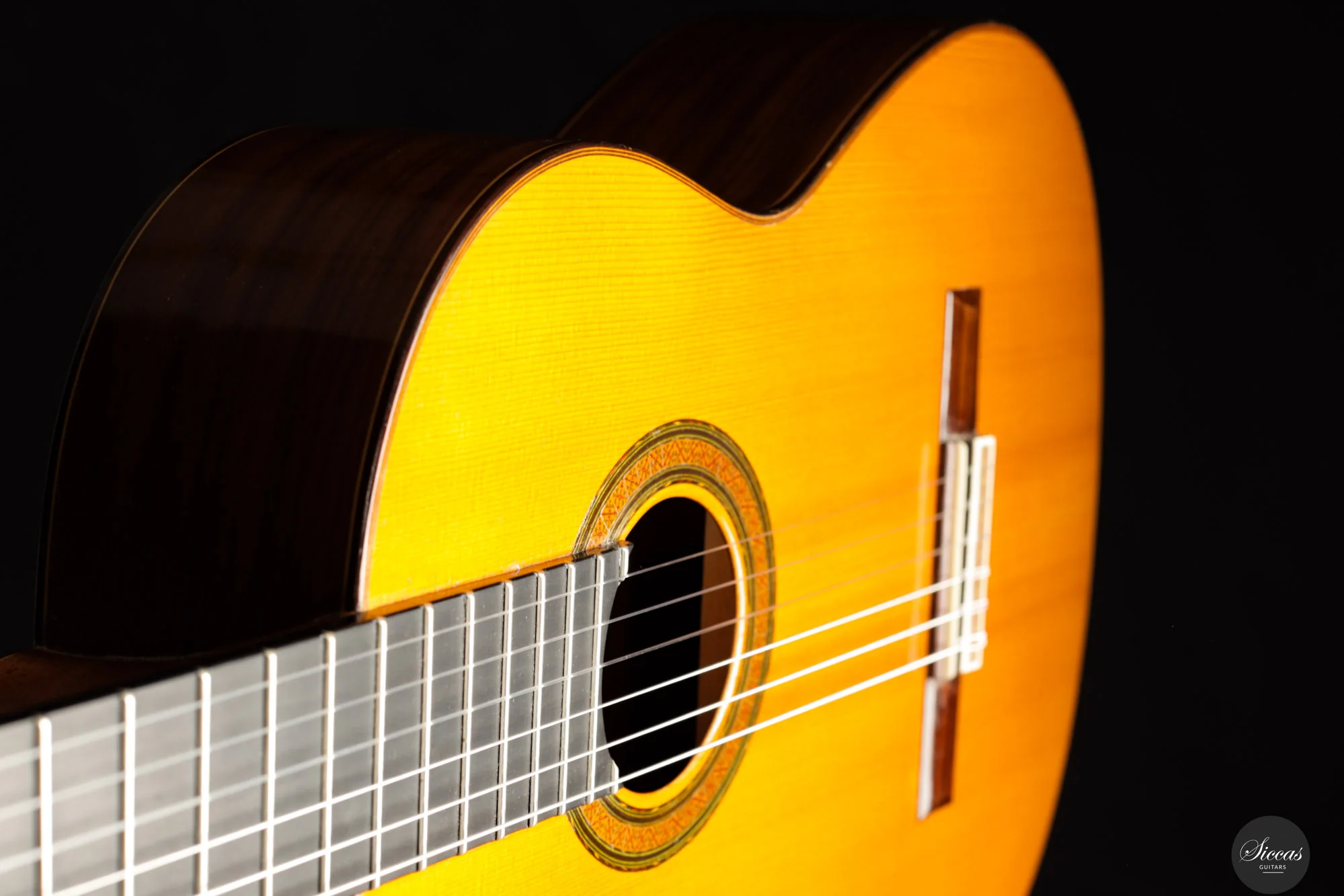
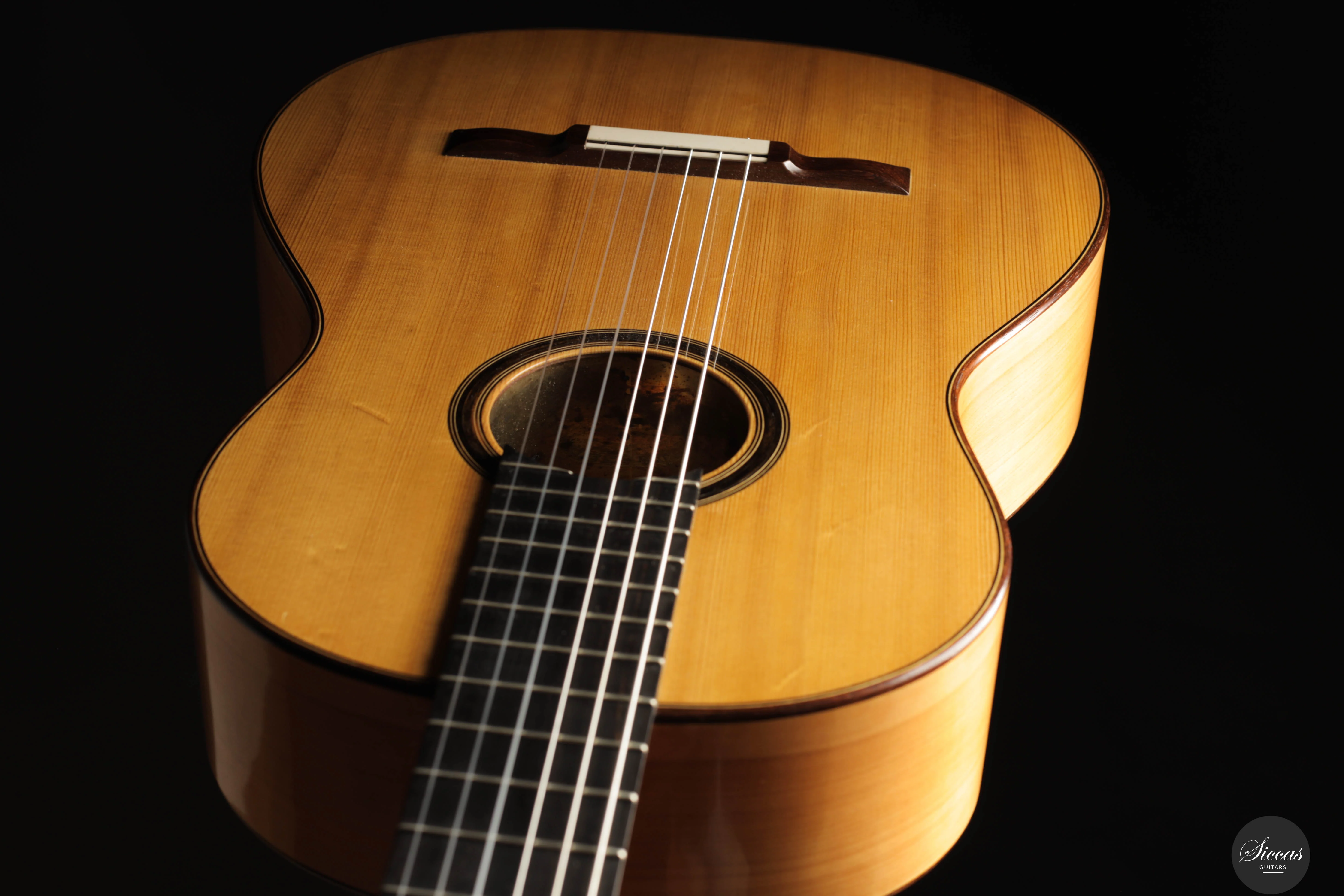
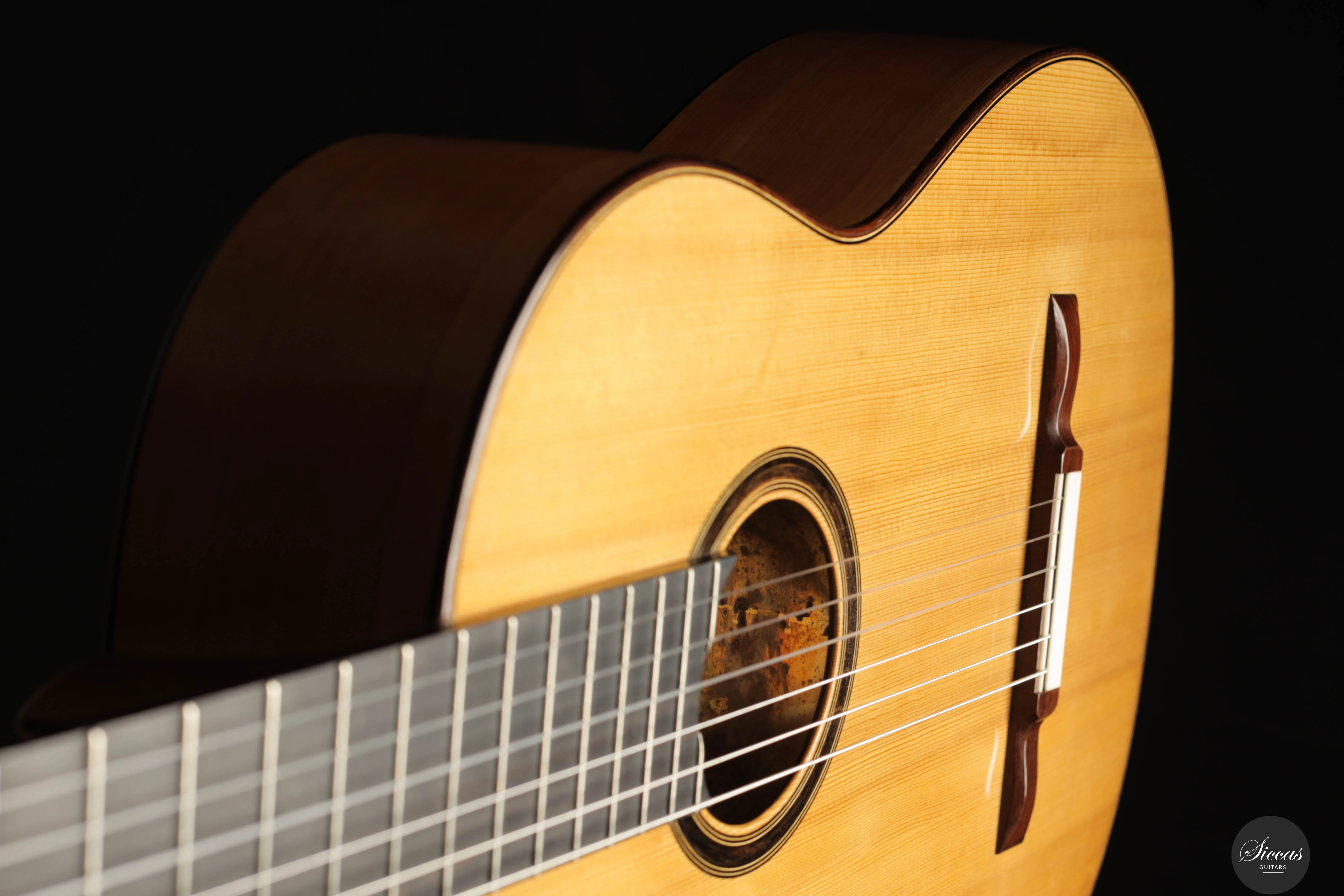
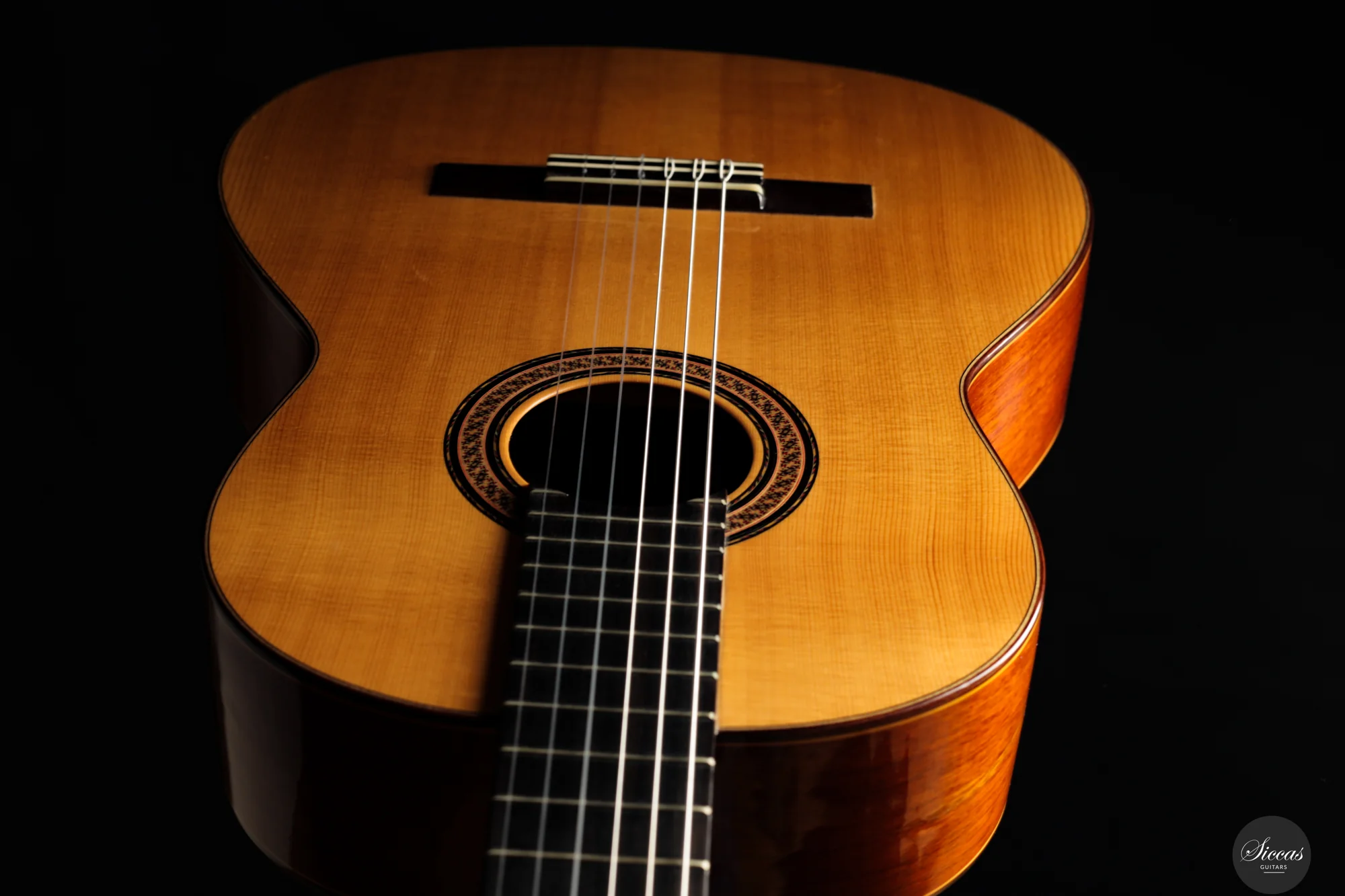
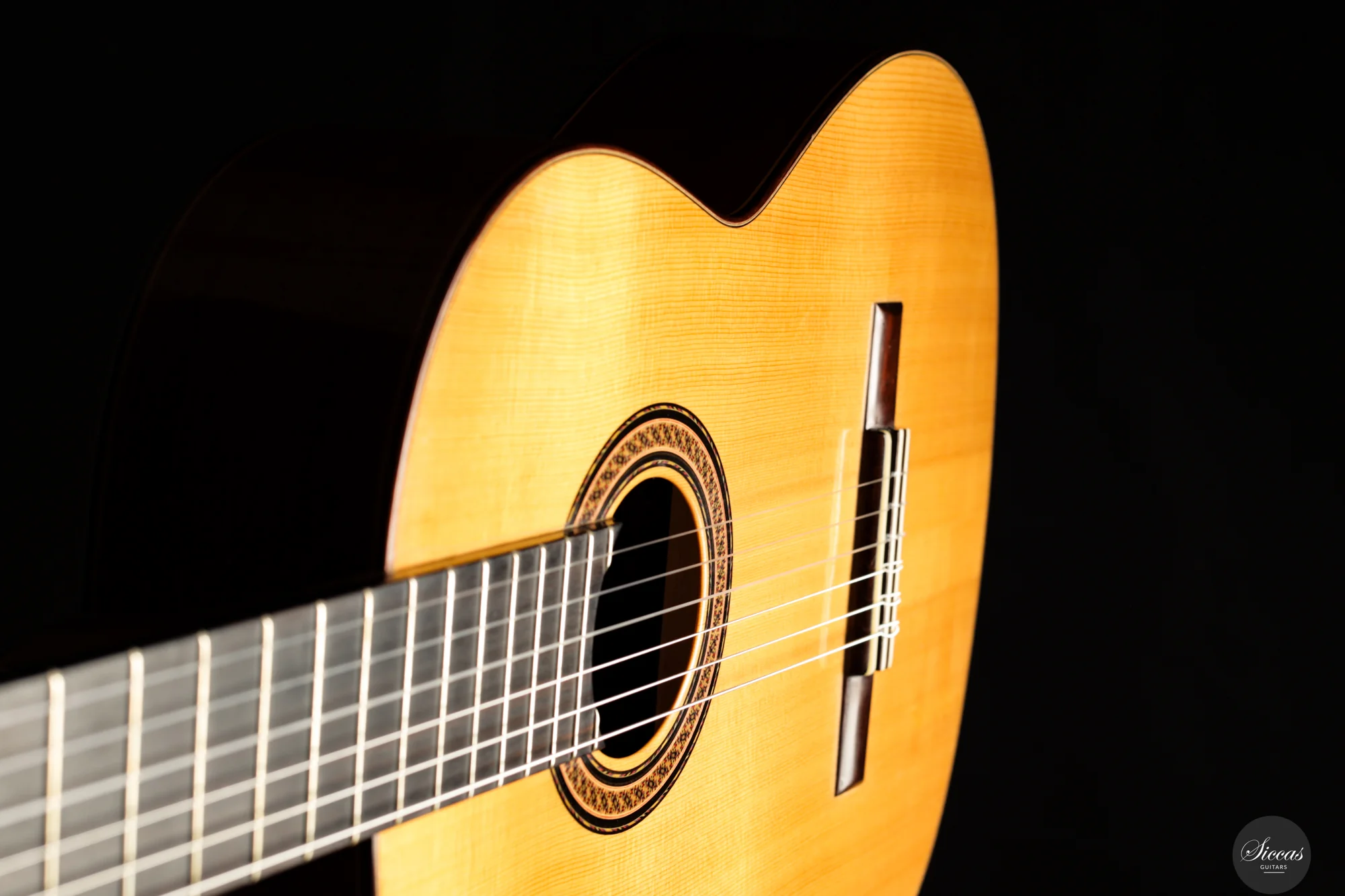
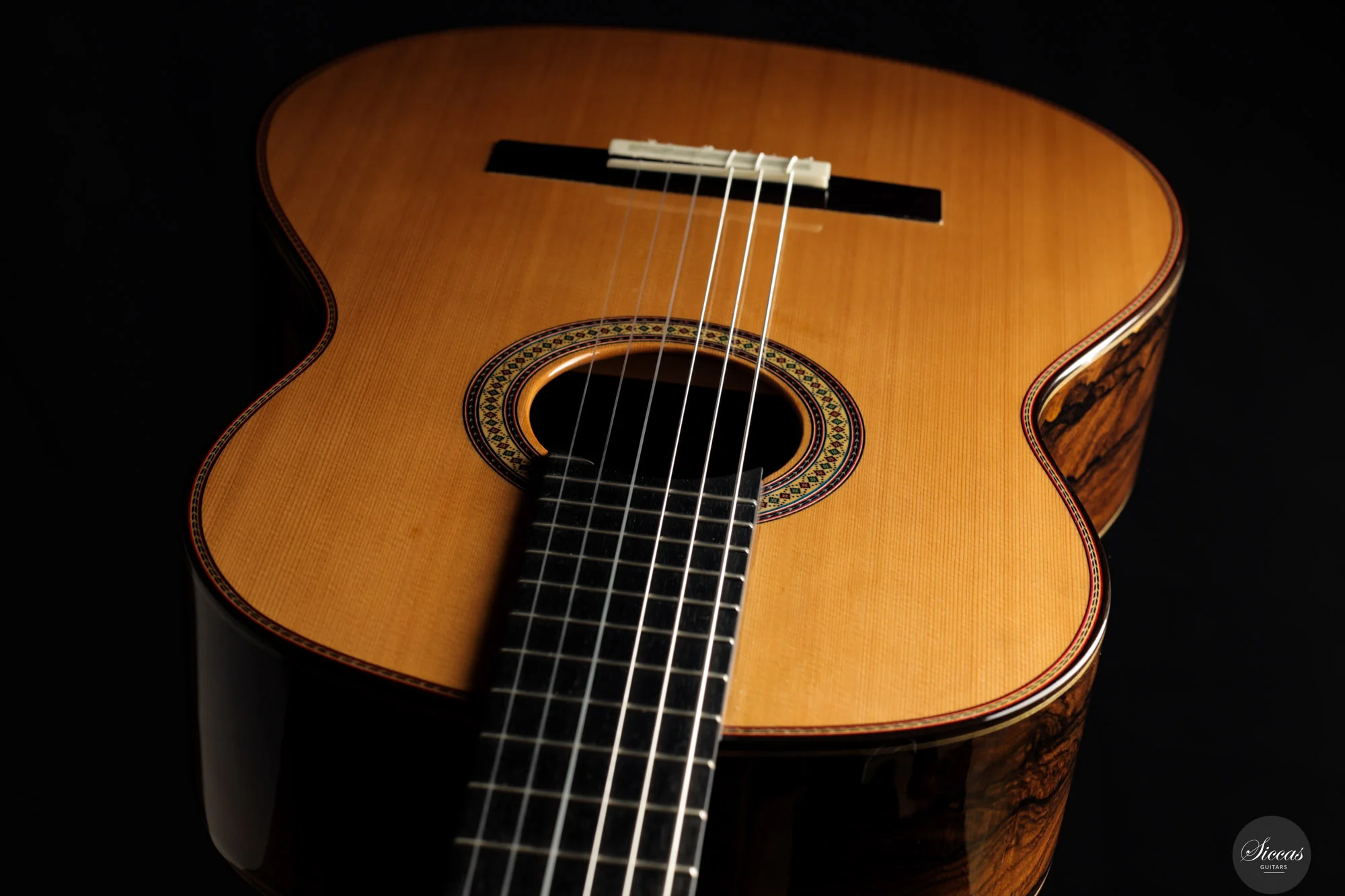
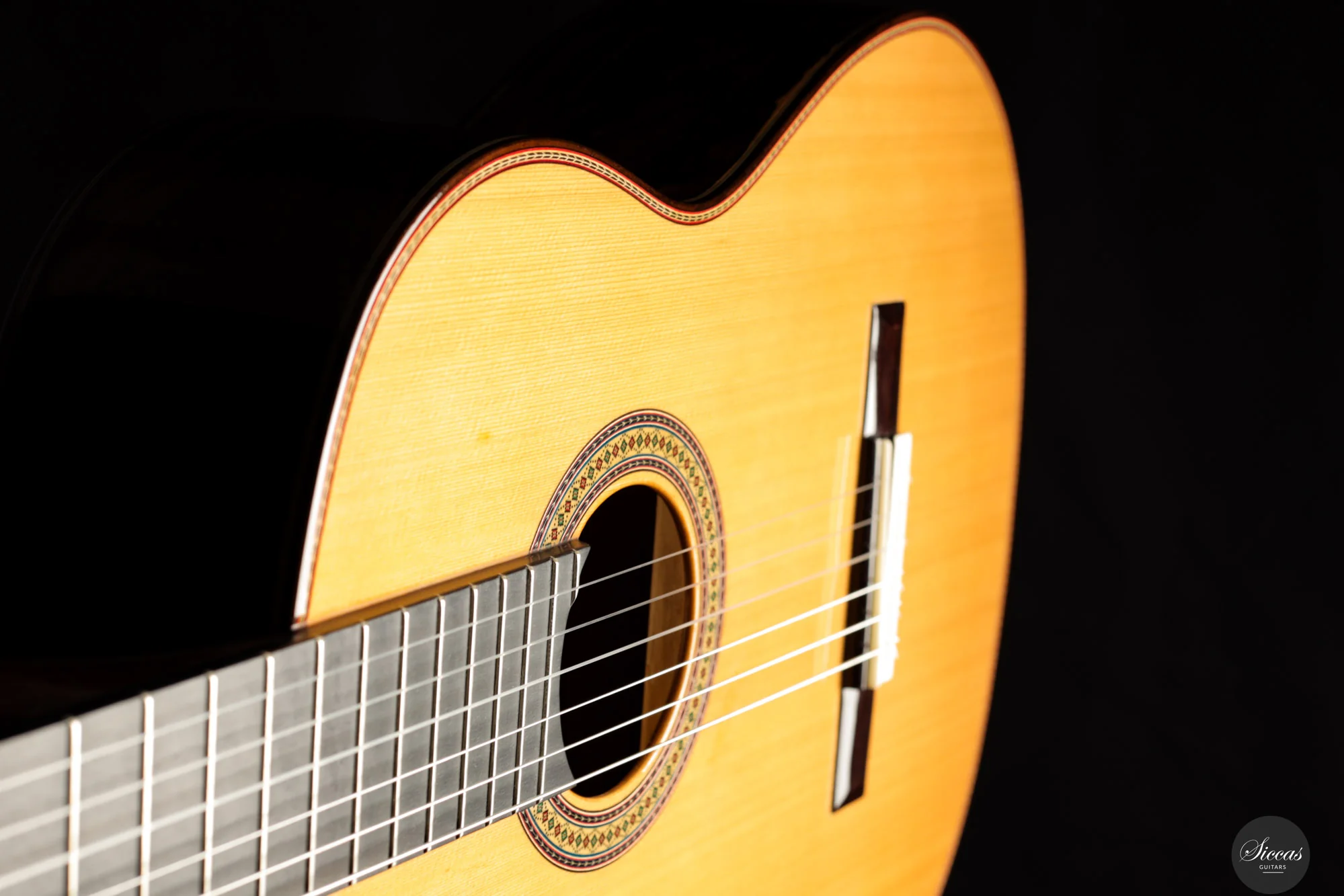
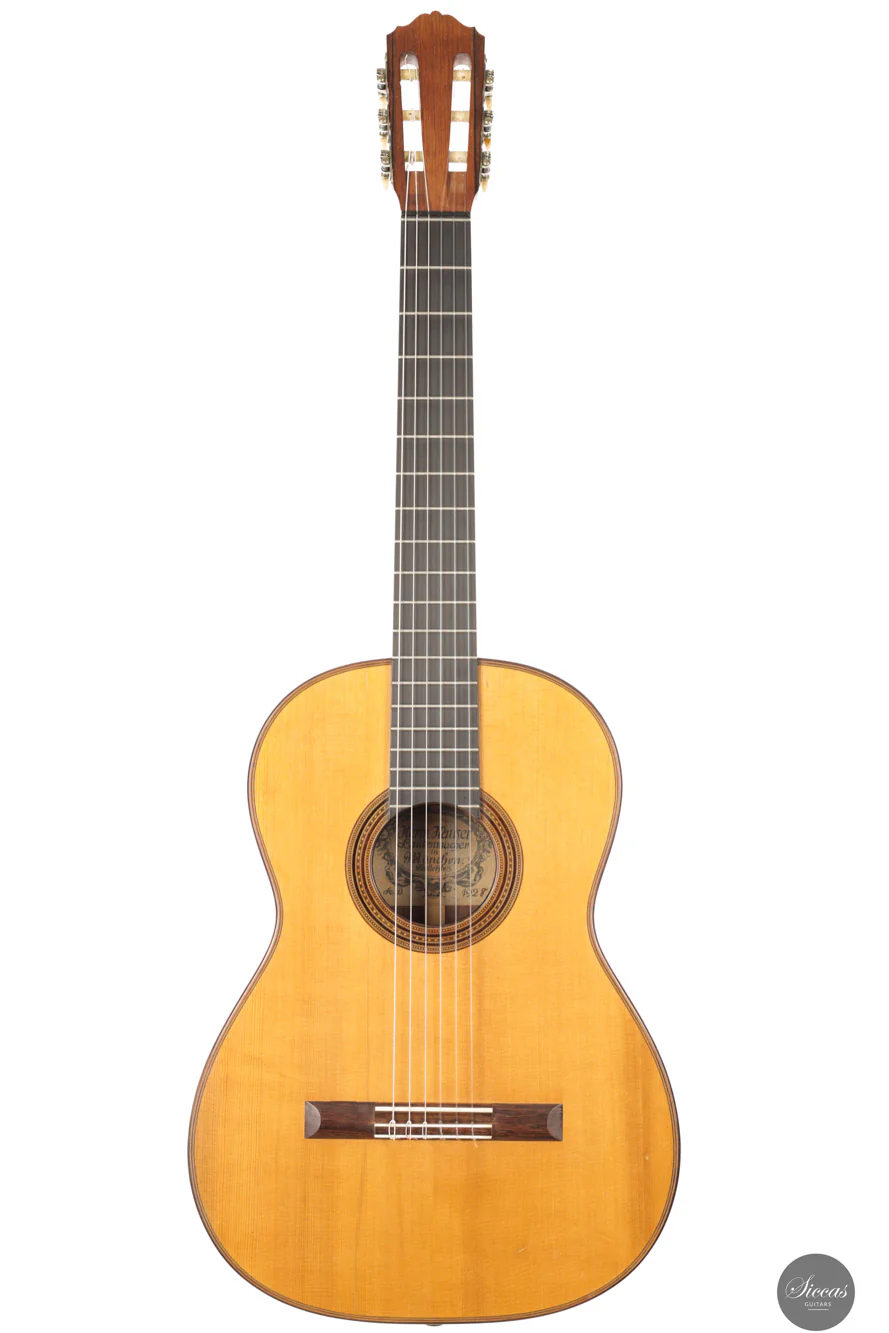
This 1928 Hermann Hauser® I guitar represents a rare and early example of the so-called Segovia model, crafted during the pivotal years when Hauser® I was refining his Spanish construction approach. The headstock design clearly echoes Segovia’s own 1912 Manuel Ramírez, and this influence is equally present in the voice of the instrument. Among the 1920s Hauser® I guitars encountered in recent years, this one stands out for its unmistakably Spanish tonal identity.
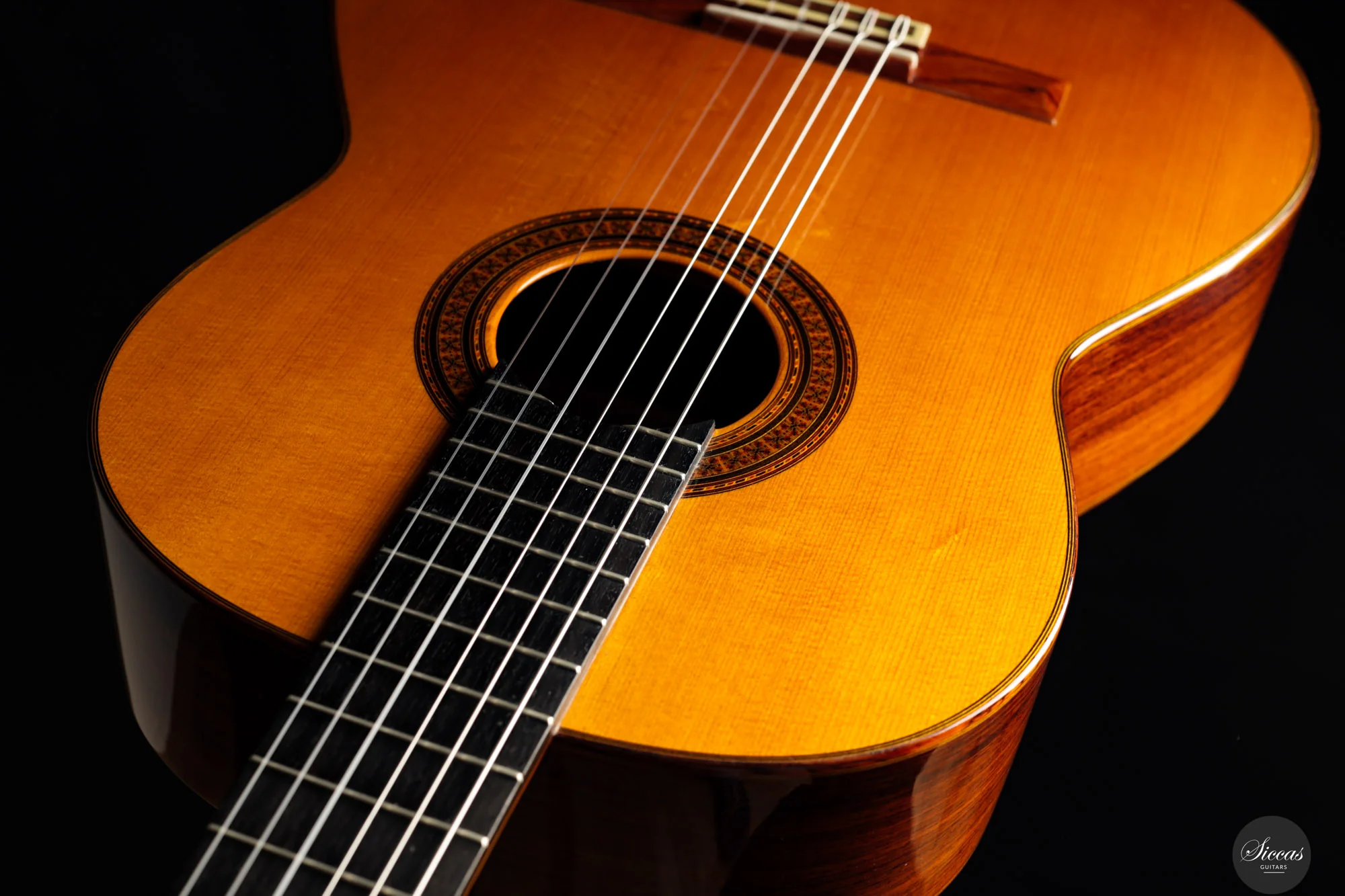
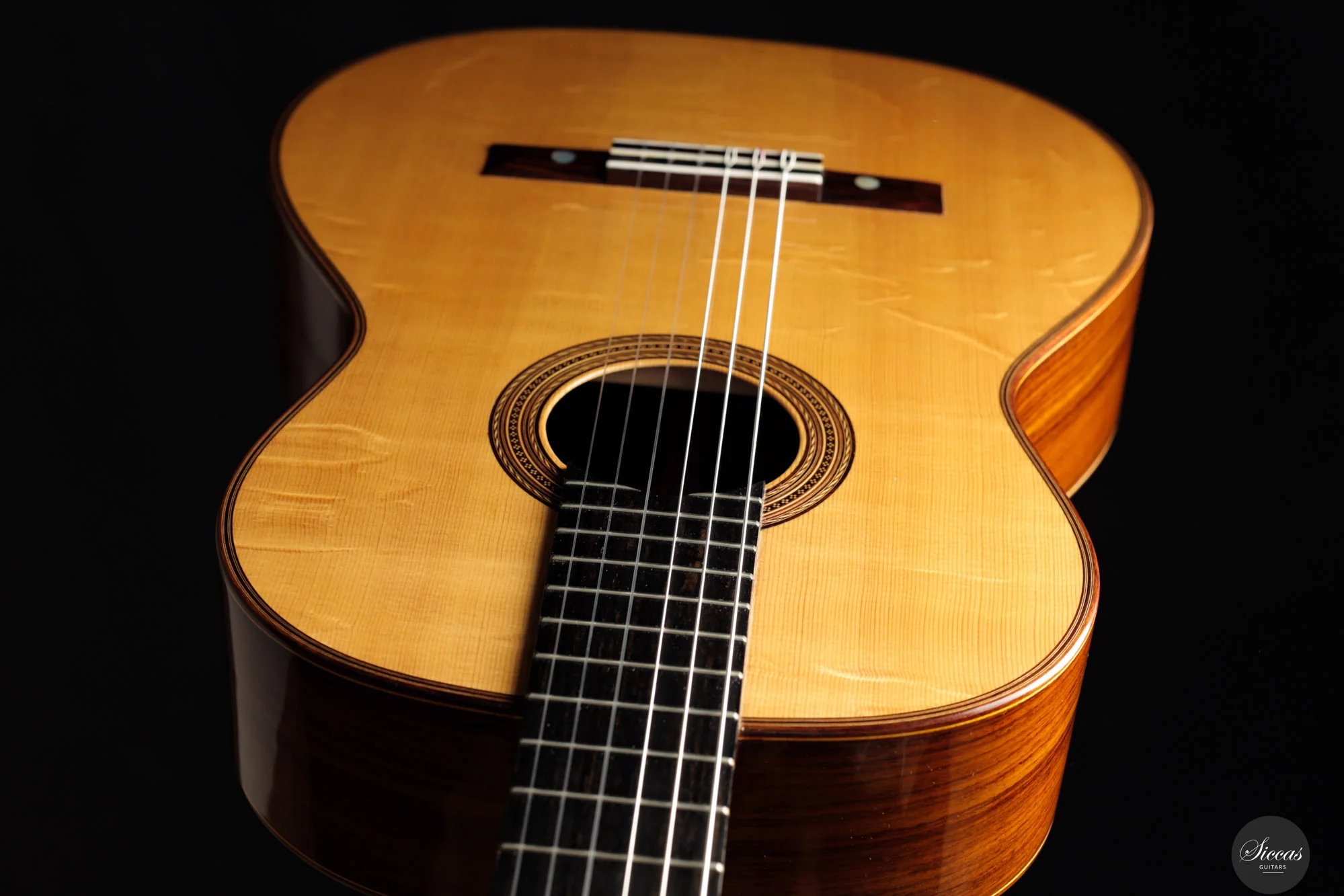
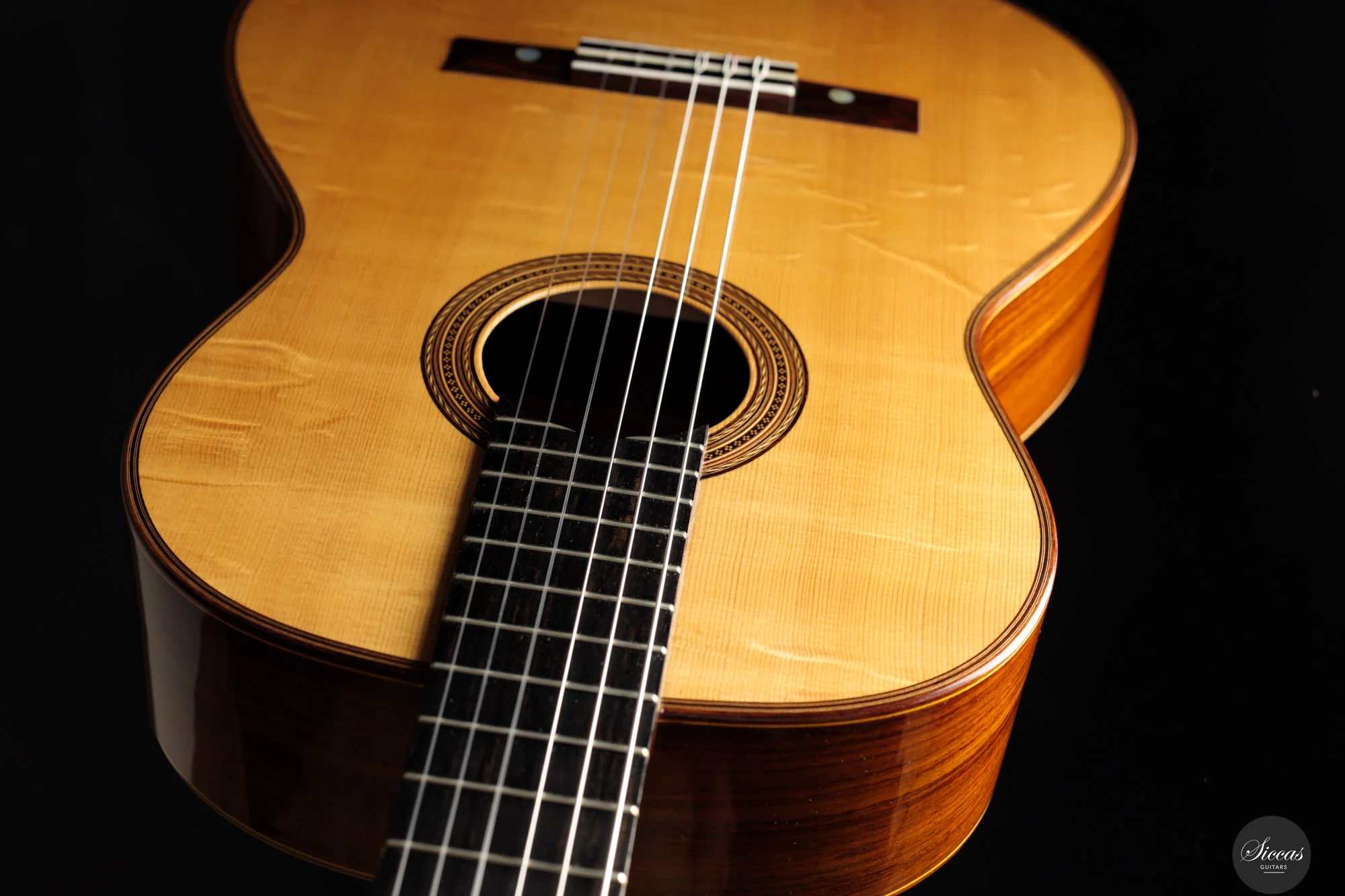
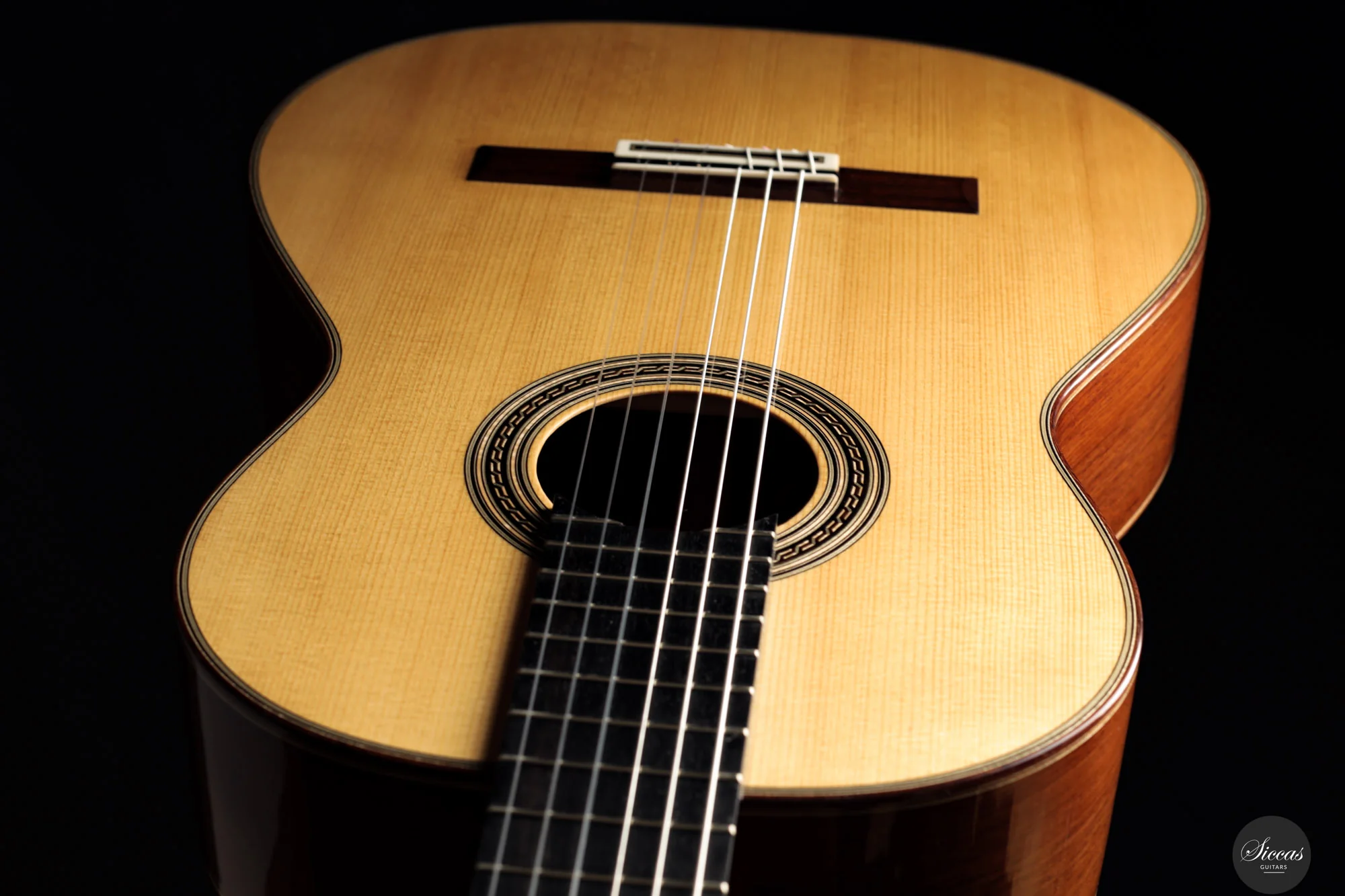
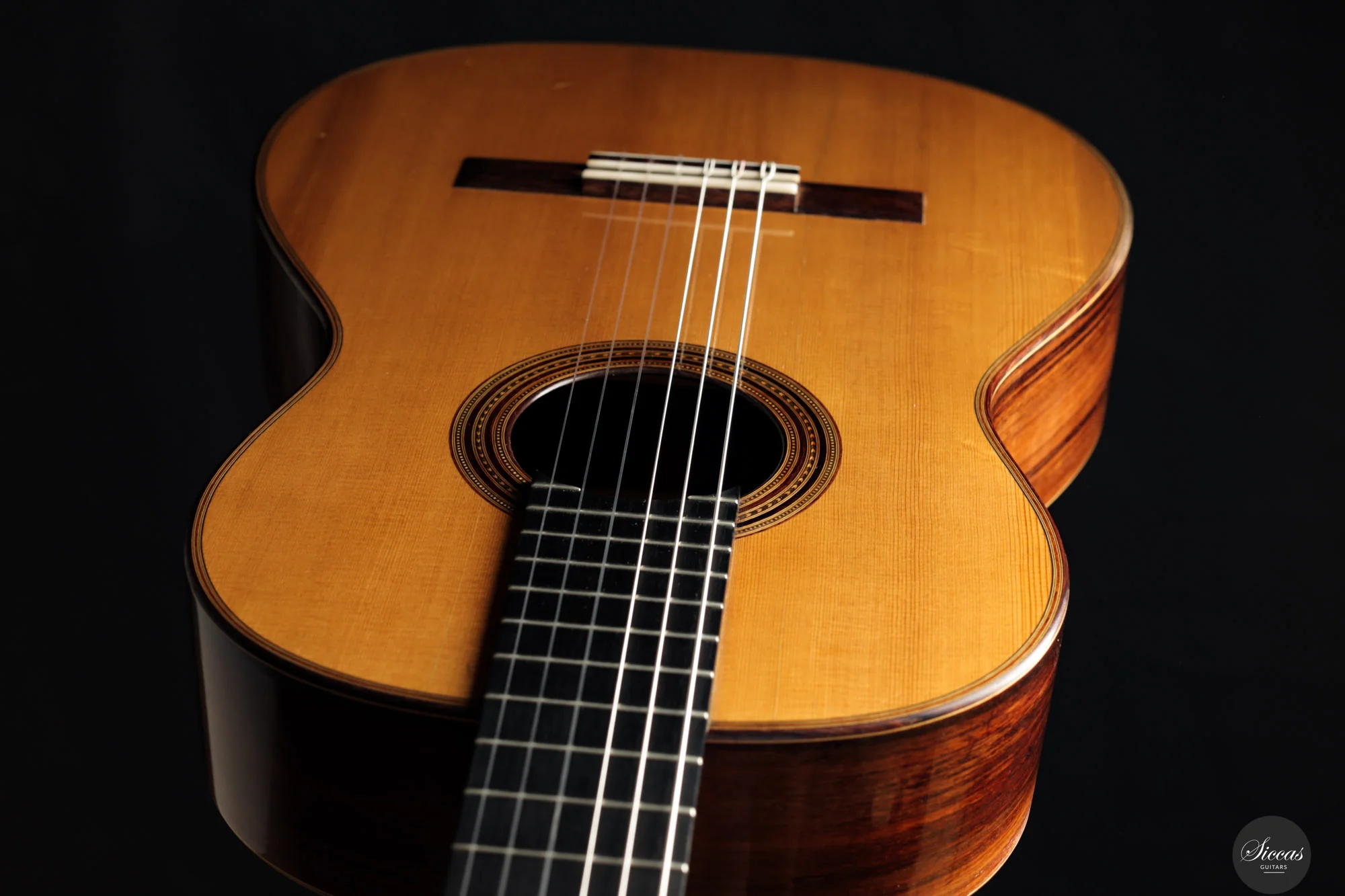
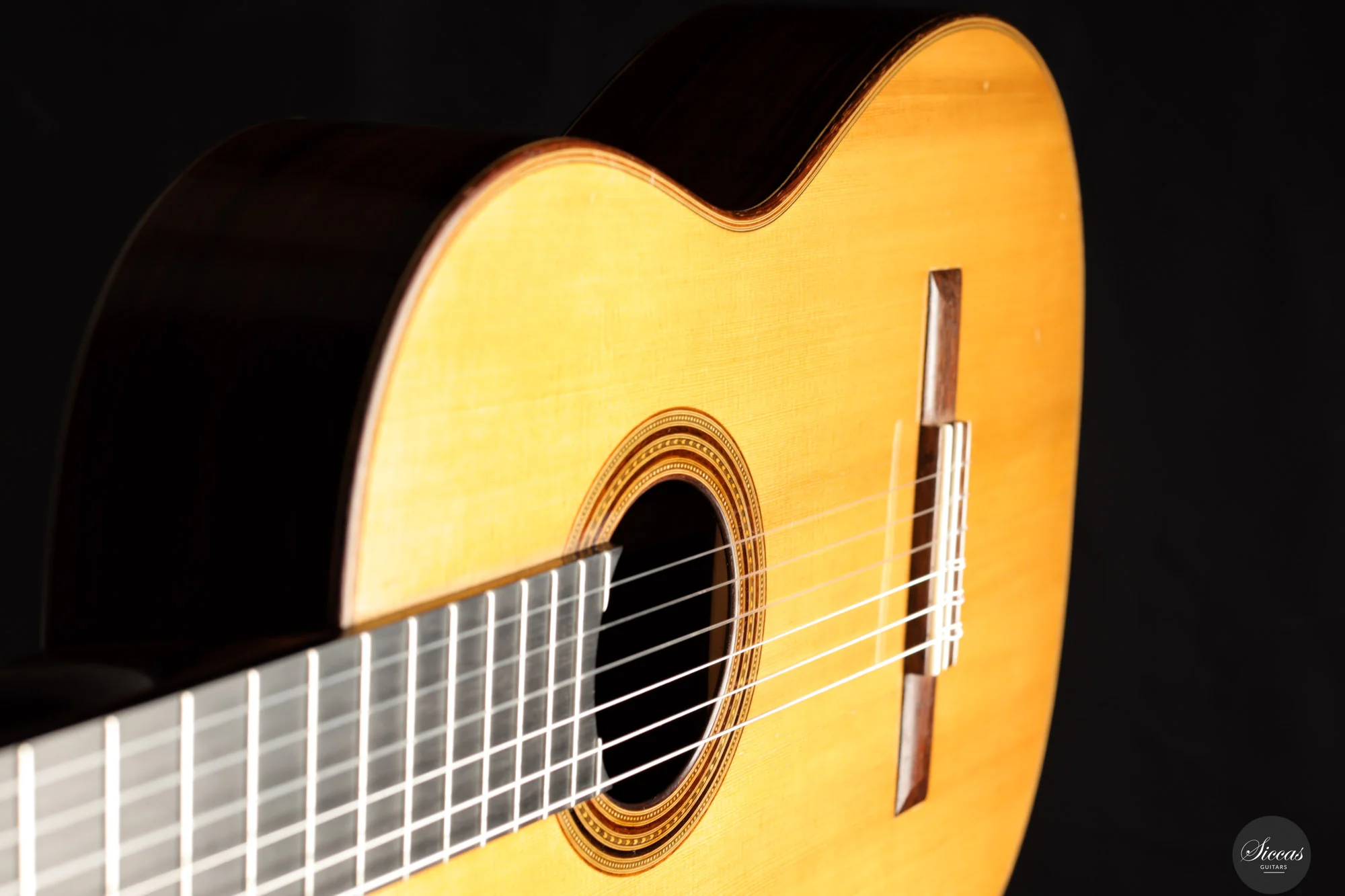
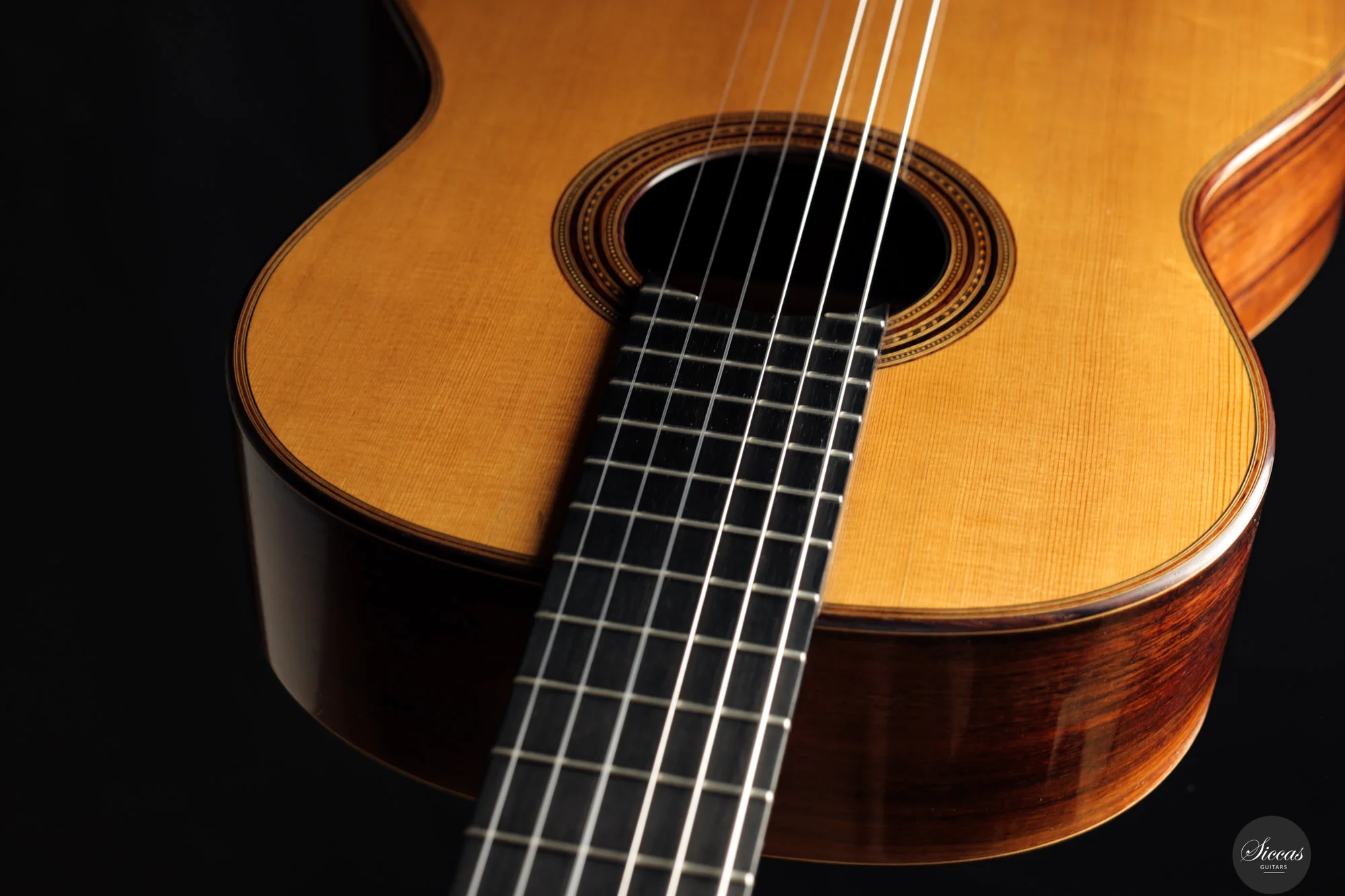
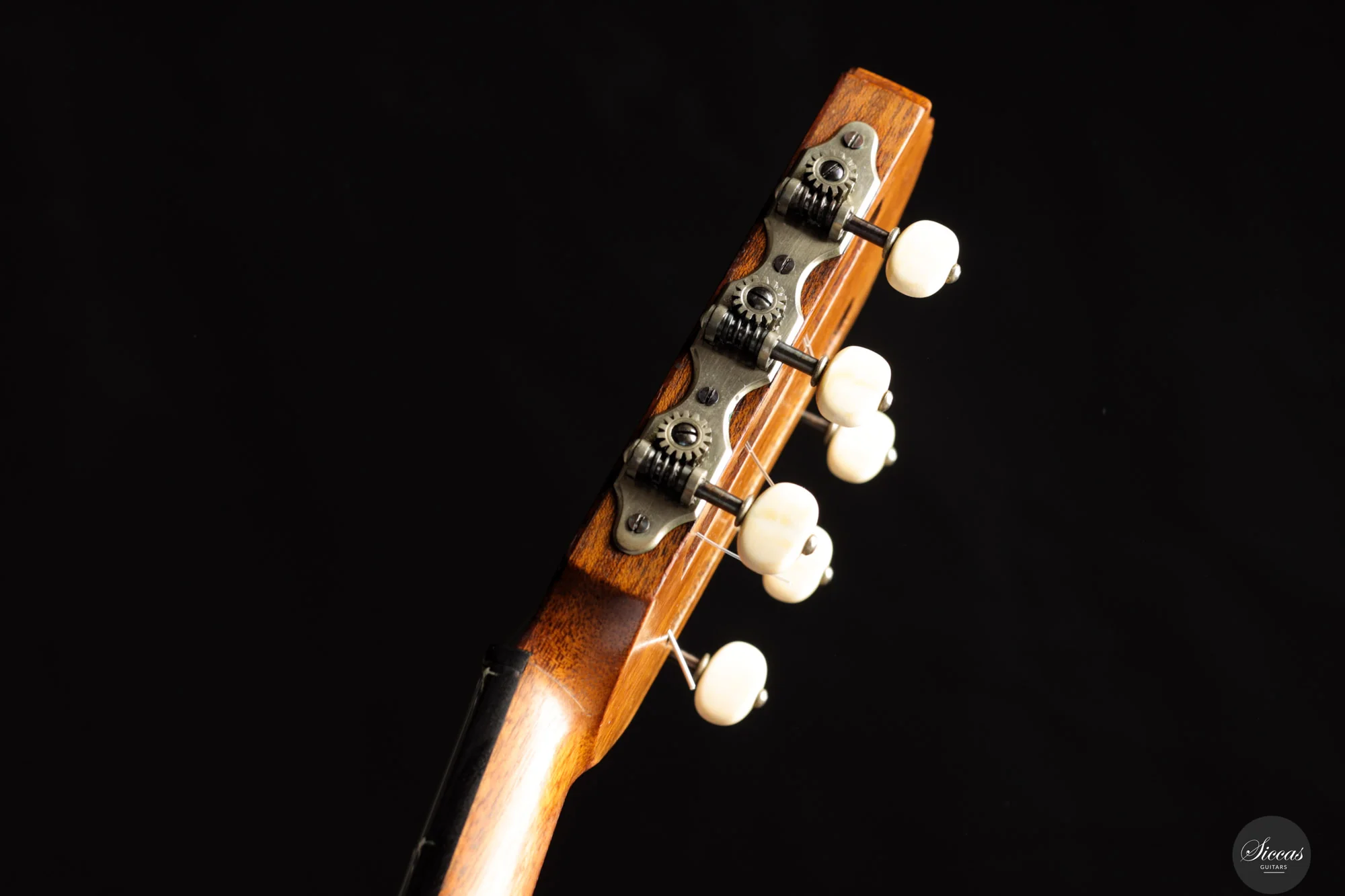
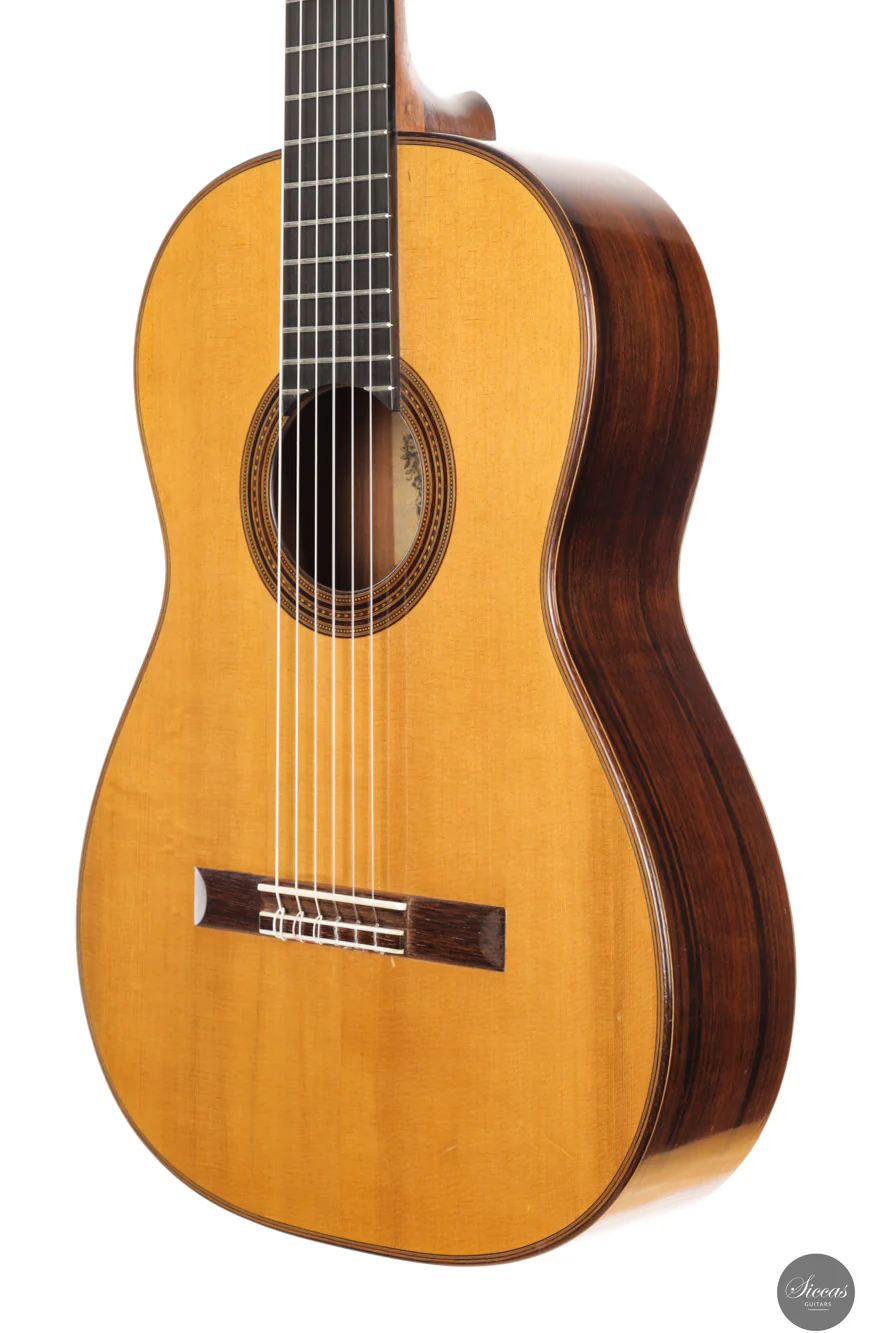
The soundboard, made of high-quality spruce, displays a remarkable capacity for purity and nuance. Its trebles are luminous and bell-like, sustained with exceptional clarity and colour. The basses are resonant and well-focused, providing harmonic depth without overpowering the upper voices. Madagascar rosewood back and Indian rosewood sides lend warmth and complexity to the sound, while preserving articulation. The original Landstorfer tuners are fully functional, and the instrument’s construction overall reflects Hauser® I’s precise craftsmanship and evolving acoustical ideals of the late 1920s.
Condition
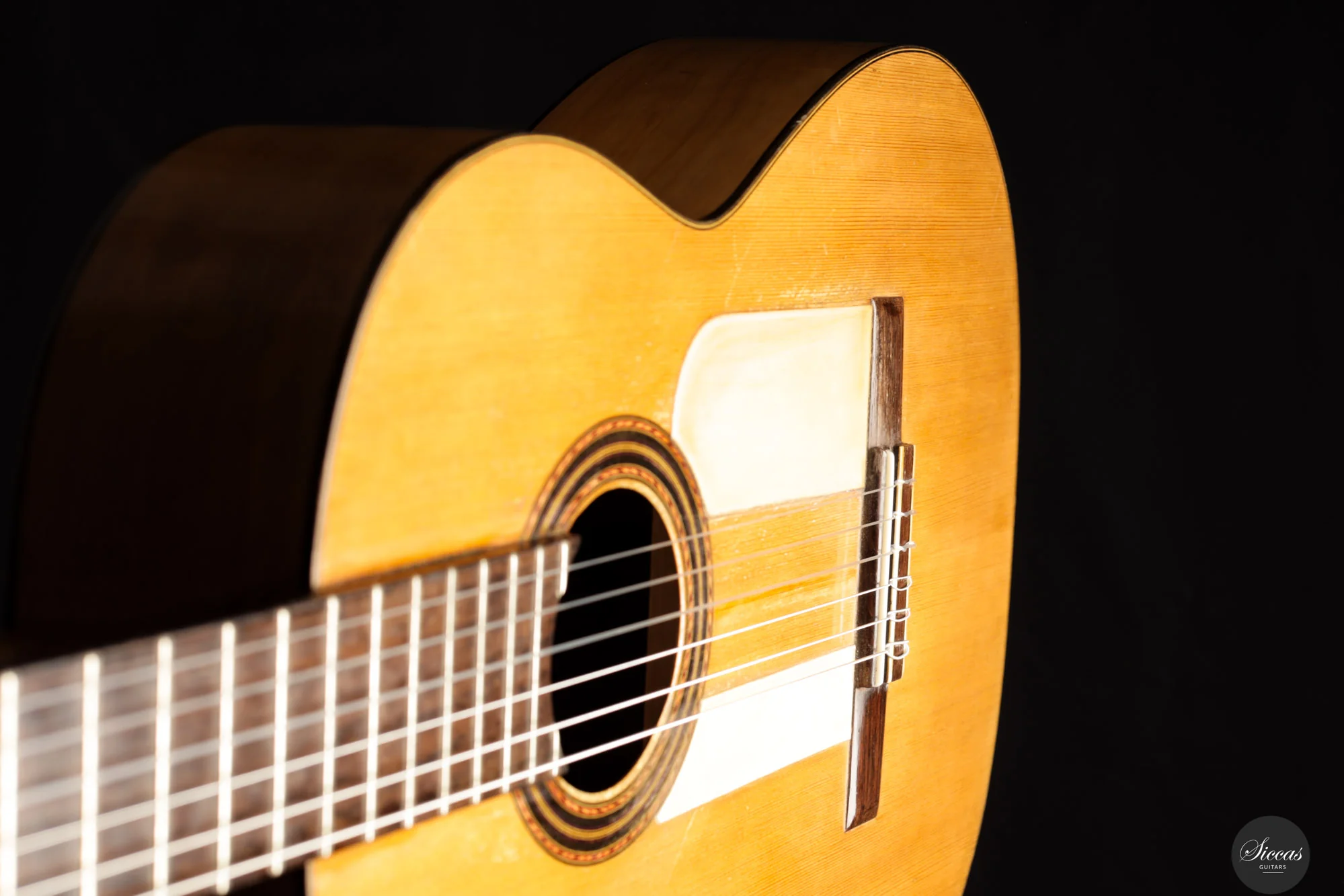
The guitar is in very good condition for its age. Several cracks on the soundboard and back have been professionally repaired. There is no structural damage to the back or sides, and all parts, including the original tuners, remain functional and stable.
Original: $1,153,134,998.85
-70%$1,153,134,998.85
$345,940,499.65Product Information
Product Information
Shipping & Returns
Shipping & Returns
Description
About the luthier
Hermann Hauser® I holds a central place in the history of 20th-century guitar making. Initially trained in the diverse traditions of Bavarian lutherie, he inherited his father's workshop while Josef Hauser® continued managing the family’s music publishing house. In his early period, Hauser® I produced a wide range of instruments including lutes, zithers, and numerous guitar models reflecting the regional Viennese and Munich styles. These included Terz, Prim, and the rare Quintbass guitars, all crafted with exceptional precision and tonal quality.
During the 1920s, his work underwent a decisive transformation. Encouraged by the influence of Miguel Llobet and Andrés Segovia, and their respective Torres and Manuel Ramírez/Santos Hernández guitars, Hauser® I gradually shifted away from regional forms toward the Spanish concert guitar. Through meticulous innovation in top construction and body–neck joints—some of which were patented—he created instruments of extraordinary clarity, projection, and balance. His 1937 guitar for Segovia, who described it as “the greatest guitar of our epoch,” stands as a landmark in classical guitar history. Hauser® I’s instruments set a new standard for European guitar making and continue to influence the craft to this day.
About the guitar
This 1928 Hermann Hauser® I guitar represents a rare and early example of the so-called Segovia model, crafted during the pivotal years when Hauser® I was refining his Spanish construction approach. The headstock design clearly echoes Segovia’s own 1912 Manuel Ramírez, and this influence is equally present in the voice of the instrument. Among the 1920s Hauser® I guitars encountered in recent years, this one stands out for its unmistakably Spanish tonal identity.
The soundboard, made of high-quality spruce, displays a remarkable capacity for purity and nuance. Its trebles are luminous and bell-like, sustained with exceptional clarity and colour. The basses are resonant and well-focused, providing harmonic depth without overpowering the upper voices. Madagascar rosewood back and Indian rosewood sides lend warmth and complexity to the sound, while preserving articulation. The original Landstorfer tuners are fully functional, and the instrument’s construction overall reflects Hauser® I’s precise craftsmanship and evolving acoustical ideals of the late 1920s.
Condition
The guitar is in very good condition for its age. Several cracks on the soundboard and back have been professionally repaired. There is no structural damage to the back or sides, and all parts, including the original tuners, remain functional and stable.